Election Commission Pushes for Nationwide SIR Despite Fierce Opposition in Bihar
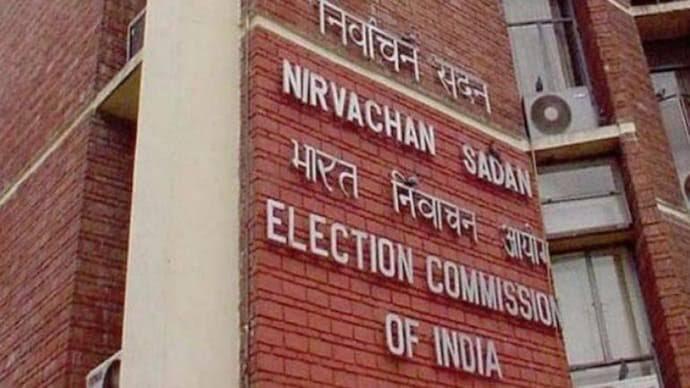
New Delhi, July 25: The Election Commission of India (ECI) has announced plans to extend its Special Intensive Revision (SIR) of electoral rolls across the country, a move that has sparked intense controversy, particularly in poll-bound Bihar, where opposition parties have fiercely resisted the exercise.
The decision, aimed at ensuring a clean and updated voter list, has drawn sharp criticism from the opposition INDIA bloc, which alleges the process is designed to disenfranchise millions of eligible voters ahead of the crucial Bihar Assembly elections scheduled for October or November 2025.
The ECI’s SIR, initiated in Bihar on June 24, 2025, requires voters to submit enumeration forms along with one of 11 specified documents to verify their eligibility. Notably, commonly held documents like Aadhaar, voter ID cards, and ration cards are excluded from the list, raising concerns about accessibility, particularly for marginalized communities and migrant workers.
The ECI has defended the exercise as a constitutional mandate under Article 326 and the Representation of the People Act, 1950, emphasizing that it aims to eliminate ineligible voters—such as deceased individuals, permanently migrated voters, or those with duplicate registrations—while ensuring no eligible voter is excluded.
Chief Election Commissioner Gyanesh Kumar underscored the importance of a “pure voter list” for fair elections, urging critics to “think deeply, going beyond political ideologies.”
In Bihar, the SIR has triggered a political firestorm. Opposition parties, including the Rashtriya Janata Dal (RJD), Congress, Trinamool Congress, and Communist Party of India (Marxist), have accused the ECI of manipulating voter rolls to favour the ruling National Democratic Alliance (NDA).
RJD leader Tejashwi Yadav called the exercise a “conspiracy” to suppress voters, pointing out the logistical challenges of verifying 8 crore voters in just 25 days, especially with 73% of Bihar affected by floods and millions of migrant workers living outside the state.
Congress leader Rahul Gandhi labelled the SIR an “attack on democracy,” while CPI MP P. Sandosh condemned it as a “pilot project” for nationwide voter suppression.
The opposition’s concerns have escalated with reports that 61.1 lakh voters in Bihar face potential exclusion due to reasons such as death, migration, or failure to submit forms by the July 25 deadline.
The ECI reported that 7.21 crore enumeration forms have been submitted, covering 99% of Bihar’s 7.9 crore electorate, but 43.93 lakh electors could not be located at their listed addresses, and 29.62 lakh have not submitted forms.
Critics argue that the stringent documentation requirements and short timeline disproportionately affect the poor, women, and migrant workers, with allegations of Booth Level Officers (BLOs) engaging in coercive practices.
The Supreme Court is currently hearing petitions challenging the Bihar SIR, filed by the Association for Democratic Reforms, RJD MP Manoj Jha, Trinamool Congress MP Mahua Moitra, and others. The petitioners argue that the process violates fundamental rights under Articles 14, 19, and 21 of the Constitution and risks mass disenfranchisement due to its “arbitrary” nature and impractical timeline.
On July 10, the court refused to stay the SIR but questioned its timing and urged the ECI to consider including Aadhaar and other accessible documents. A further hearing is scheduled for July 28.
.jpeg)