Odisha Govt Mulls Underground Metro for Bhubaneswar; Experts Flag High Cost and Delays

Bhubaneswar, June 8: The Odisha government on Sunday revealed that it is exploring the construction of an underground metro rail network in Bhubaneswar, marking a major shift from the earlier proposed overground alignment. While the final alignment is yet to be decided, Works Minister Prithviraj Harichandan
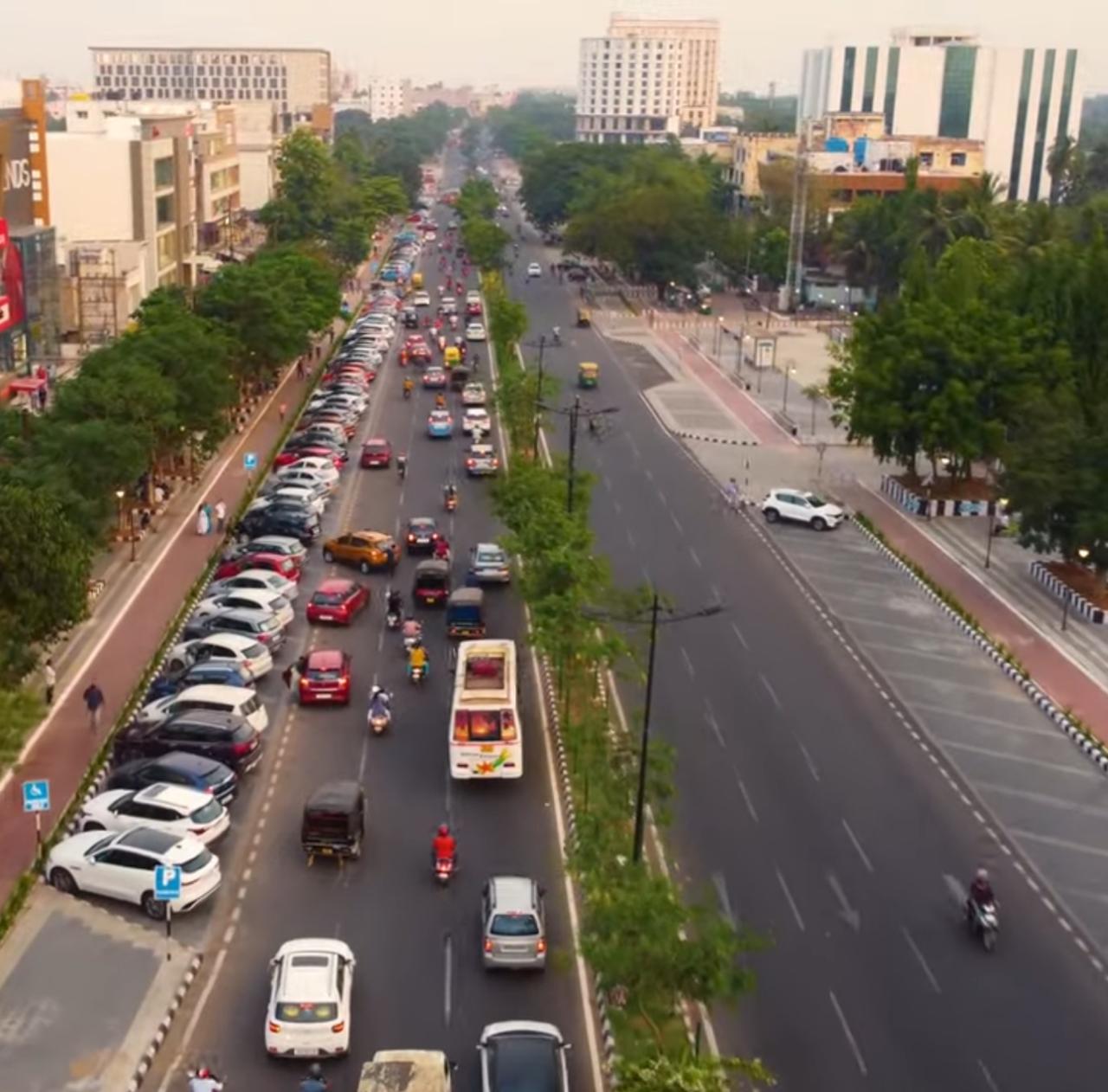
said the move is being considered to preserve the aesthetic appeal of the city, which might be compromised with an elevated corridor.
However, experts warn that going underground could double the cost of the project. “The average cost of constructing one kilometre of underground metro in India ranges between Rs 500 to Rs 600 crore, nearly twice the Rs 250 to Rs 300 crore required for an overground system,” said a senior metro rail consultant associated with projects in Delhi and Bengaluru. In addition to the financial burden, he highlighted that underground systems involve complex tunneling, utility shifting, and soil stabilization, resulting in longer completion timelines.
Interestingly, several cities including Delhi, Mumbai, Kolkata, and Bengaluru have opted for overground or elevated alignments in specific stretches to cut costs and expedite implementation. “An underground system is ideal in dense urban cores, but in developing cities like Bhubaneswar, elevated corridors offer a practical balance between functionality and finance,” the consultant added.
The Bhubaneswar Metro Rail project was originally conceived under the previous Naveen Patnaik-led government, with a proposal to connect Biju Patnaik International Airport to Trisulia via key junctions. The project was seen as a transformative initiative for the capital region. However, after the change in government, the project has seen a shift in both its nature and scope, with no significant updates over the past year.
On social media, citizens have voiced growing concern over the apparent lack of progress. Many fear that the project may be scrapped or indefinitely delayed, as the state government has yet to finalize detailed project reports or begin groundwork, despite being over a year into its tenure.
“Public infrastructure needs clear timelines and consistent political will. Delays only increase costs and erode public trust,” the expert said.
.jpeg)