
*Myth Busted: India-EU Trade Deal Unlikely to Slash Prices of BMW, Audi, and Other European Cars Anytime Soon*
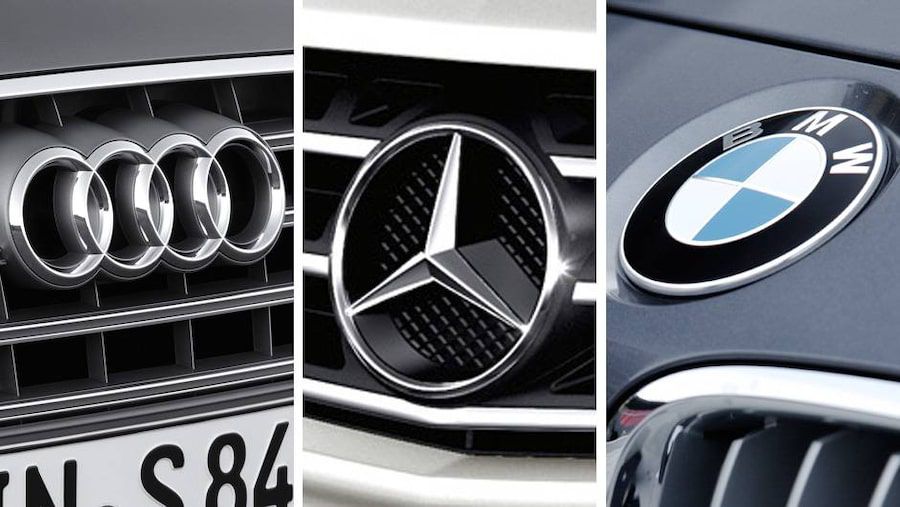
New Delhi, Jan 29: – The recent signing of the India-EU Free Trade Agreement (FTA) has sparked widespread excitement among car enthusiasts, with many anticipating a significant drop in prices for luxury European brands like BMW, Audi, Mercedes-Benz, and others.
Social media is abuzz with speculations of more affordable high-end vehicles flooding the Indian market, thanks to reduced import duties. However, industry experts and company executives are tempering these expectations, warning that the reality is far more nuanced—and price cuts may not materialize for most models.
The FTA, finalized earlier this month, includes provisions to gradually lower tariffs on imported cars from as high as 110% to 10%, with an initial reduction to 40% for vehicles priced above approximately Rs 16 lakh.
This has led to optimistic projections that premium imports could become cheaper by lakhs of rupees, potentially broadening access to models from Volkswagen, Stellantis, and luxury marques.
Yet, a closer look reveals why this enthusiasm might be premature.
Hardeep Singh Brar, President and CEO of BMW Group India, has been vocal in downplaying the immediate impact. In a recent statement, Brar emphasized that while the FTA is a “historic” step that could enhance product choices and innovation in the long run, “we do not foresee any price changes in the near term.”
The primary reason? Most of BMW’s lineup in India is already assembled locally at their Chennai plant, meaning these vehicles—such as popular models like the 3 Series, 5 Series, and X3 SUV—aren’t subject to import duties in the first place. Completely Built Units (CBUs), which are fully imported, form only a small portion of sales for brands like BMW, Audi, and Mercedes-Benz.
This localization strategy, adopted by European automakers to bypass high import tariffs and cater to Indian demand, effectively shields the majority of their portfolio from the FTA’s benefits. Audi India, similarly, assembles key models like the A4, A6, Q5, and Q7 at its Aurangabad facility, while Mercedes-Benz produces most of its sedans and SUVs in Pune.
As a result, the tariff reductions primarily apply to niche or ultra-luxury imports like Ferraris, Lamborghinis, or high-end variants not yet localised—segments that appeal to a tiny fraction of buyers.
Adding to the complexity is the Indian rupee’s ongoing depreciation against the euro, which has eroded potential savings from lower duties. The rupee fell by nearly 19 per cent against the euro in 2025 alone, increasing the cost of imported components and CBUs.
Mercedes-Benz India highlighted this challenge, noting that currency fluctuations could “erode any benefit arising from lower duty imports for CBUs in the next couple of years.”
BMW has even announced price hikes of 2-3% across its range starting this year, attributing the increase directly to rupee depreciation and rising input costs.
Industry analysts echo these sentiments. “The FTA opens doors for more variety, especially in electric and hybrid segments, but don’t expect showroom prices to plummet overnight,” said Rohan Sharma, an automotive consultant at KPMG India. “Localization, currency volatility, and potential compensatory cesses could neutralise much of the tariff relief.”
Moreover, the agreement includes quotas—limiting the number of vehicles eligible for reduced duties to 250,000 per year—which further caps the scale of any price impact.